


When Loud Noises Feel Like an Attack for Kids with Autism or ADHD
Updated: Jan 9
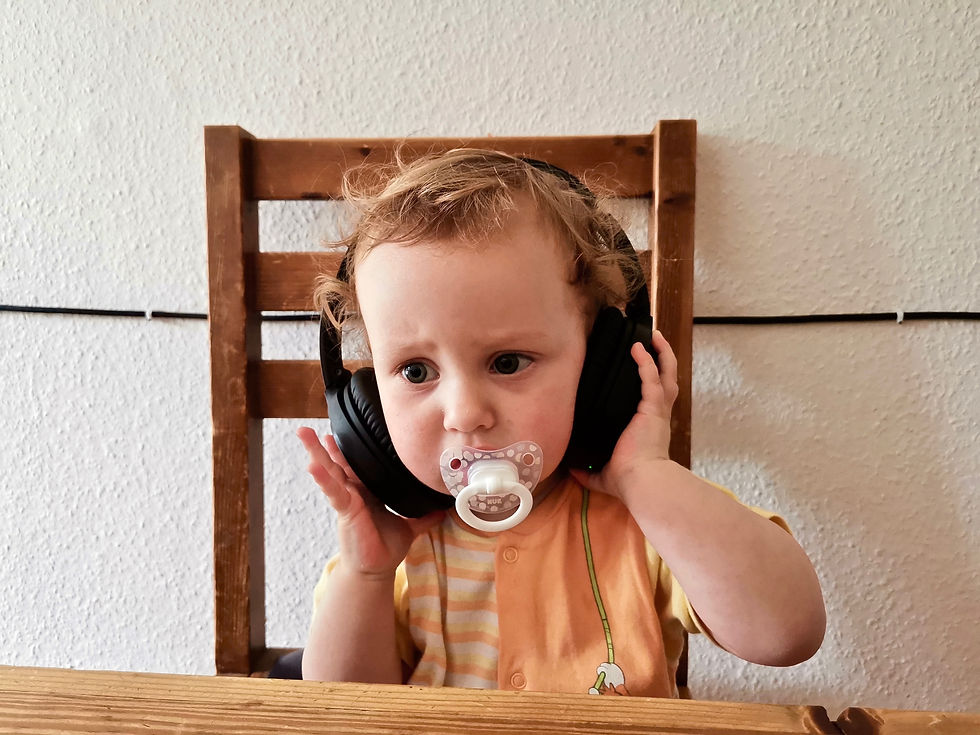
Everyday Sounds, Big Reactions
You’re vacuuming the living room when your child runs to their room and slams the door. The school bell rings, and they cover their ears and cry. Fireworks on the Fourth of July? Forget it—they’re hiding under the blanket, shaking with every boom.
To most people, these are just ordinary sounds—maybe even fun ones. But for kids with ADHD or autism, noise can feel like too much. Not just annoying—physically painful, overwhelming, and impossible to ignore.
If you’ve ever wondered why your child reacts so strongly to sound, you’re not alone. And the truth is, they’re not overreacting. Their nervous system is wired in a way that makes the world much louder than it feels to you.
What It Might Feel Like for Your Child
Imagine being in a restaurant. The clinking of silverware, the hum of conversation, the music overhead, the espresso machine hissing—it all blends into one loud, chaotic roar. You try to focus on the person across from you, but every sound cuts through like a sharp edge. Your heart pounds. You want to escape.
That’s how a child with sound sensitivity feels walking through daily life. Sounds that fade into the background for most people—hand dryers in public bathrooms, blenders in the kitchen, sirens on the street—are front and center for them.
I’ve felt this myself. Certain noises make my skin crawl. They’re not just sounds—they’re an assault. For your child, these moments can feel like their whole body is under attack. Covering ears, running away, or melting down isn’t drama. It’s protection.
How God Wired the Brain
So why does this happen?
The human brain is designed with a sensory “filter.” It decides which sounds to pay attention to and which to tune out. But in kids with ADHD and autism, that filter doesn’t work the same way.
Sensory processing differences → Their auditory system often amplifies sound instead of balancing it.
Fight-or-flight response → Loud or sudden noises trigger stress hormones like cortisol and adrenaline. The brain says, “This is danger,” even if it’s harmless.
Slower regulation → Once their system is triggered, it takes longer to calm back down.
What looks like misbehavior is really survival. Their brain is protecting them the best way it knows how.
Holistic Contributors You Might Not See
Noise sensitivity isn’t always just “in the ears.” It’s connected to the whole body. Things that can make it worse include:
Fatigue → A tired brain loses its ability to filter sensory input.
Anxiety → If a child already feels unsafe, every sound feels bigger.
Gut and inflammation issues → When the body is inflamed or imbalanced, the nervous system is more reactive.
Environment → Echoey classrooms, crowded gyms, or open cafeterias amplify sound and overwhelm sensitive systems.
These factors don’t mean your child is broken—they’re clues that help you understand what their body is battling on top of everyday life.
Grace-Based Strategies That Work
1. Equip Them With Tools
Noise-canceling headphones or earplugs aren’t crutches—they’re shields. Keep them handy in backpacks, cars, and church bags.
2. Prepare Ahead
Preview loud events. “The fireworks will be loud, but you’ll have headphones. We can watch from inside the car if it’s too much.” Predictability lowers fear.
3. Create Quiet Retreats
At home, set up a soft corner with pillows, blankets, or a tent where they can escape noise. Public spaces? Scout a hallway, car, or restroom where they can take breaks.
4. Model Calm
When a loud sound happens, your child looks to you. If you stay calm, it tells their nervous system: “We’re safe.”
5. Advocate Without Apology
If teachers or relatives roll their eyes, explain simply: “My child is sensitive to sound. Headphones help them cope.” Your advocacy makes space for their needs.
Scripture to Anchor You Both
When noise feels unbearable, God offers a deeper stillness:
“The Lord will fight for you; you need only to be still.” — Exodus 14:14
Even when the world feels loud, His presence brings quiet strength.
Encouragement for the Journey
Parenting a sound-sensitive child can feel exhausting. You may avoid events, feel judged by others, or carry guilt when everyday noises set off big reactions. But hear this: you’re not failing, and your child isn’t broken.
Every time you pack those headphones, preview the fireworks, or sit beside them in the car while others watch the show—you’re teaching them that their needs are valid. You’re showing them they can be safe in a noisy world.
One day, that same sensitivity may make your child deeply attuned to beauty—music, words, voices of those in pain. The sensitivity that feels like a burden now could grow into a gift God uses in powerful ways.
Noise doesn’t define them. Love does. And with your steady support, they’ll learn that even when the world is loud, God’s peace is louder still.
✨ If this hit home for you, there’s so much more waiting inside my book, Beautifully Wired.It’s filled with science explained simply, faith-based encouragement, and practical strategies to help you understand your child—and yourself—on this journey. Go check it out today and keep building your parenting toolbox.


Comments